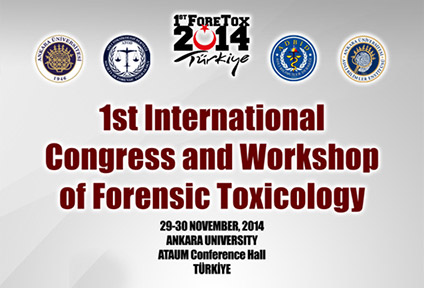
International Congress and Workshop of Forensic Toxicology
2014 & 2016


As a nurse practitioner specializing in eating disorders—particularly ARFID—attending the 2nd International Congress and Workshop of Forensic Toxicology was an unexpectedly meaningful experience for me. Although my clinical focus is not forensic science, my early academic training in toxicology has always influenced how I think about health.

As a student, I was fascinated by how environmental and industrial toxicants can alter neurological, immune, and metabolic pathways. Now, in my work with patients who struggle with restrictive eating patterns, sensory sensitivities, and unexplained gastrointestinal distress, I often see clues that suggest biology plays a larger role than we fully understand. I have long suspected that environmental toxicology may intersect with the onset or exacerbation of certain eating disorders.

The conference’s emphasis on environmental contaminants, neurodevelopmental toxicology, occupational exposures, and chronic disease strongly resonated with me. Hearing researchers discuss low-dose, chronic exposures and their effects on oxidative stress, inflammation, and gene–environment interactions reinforced my belief that these pathways deserve more exploration in eating disorder research.

What I appreciated most was the interdisciplinary and global perspective. The scientific rigor, discussions on biomonitoring, and careful interpretation of toxicological data reminded me how important it is to approach environmental-health questions thoughtfully and responsibly.

This conference broadened my clinical lens. It strengthened my conviction that conditions like ARFID should not be viewed solely through a behavioral or psychological framework. Environmental and biological factors may be part of the story, and collaboration between clinicians and toxicologists is essential.

I left feeling energized, intellectually challenged, and more committed than ever to integrating environmental health insights into my work with patients. Julie Beckham


###########

This was the official website for the 2nd International Congress and Workshop of Forensic Toxicology 2016.


The first conference was held in 2014. The 2nd International Congress of Forensic Toxicology was held in 2016.
Content is from the site's 2015 - 2016 archived pages as well as from other sources. Some content has been edited or paraphrased.

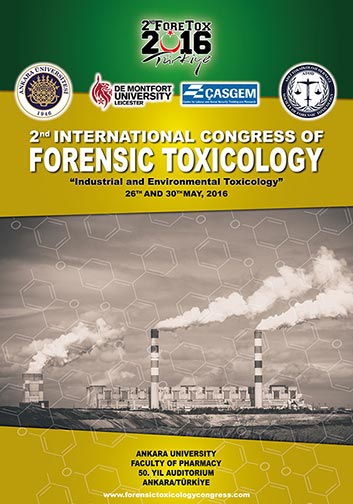
The 2nd International Congress and Workshop of Forensic Toxicology – “Industrial and Environmental Toxicology”

Location:
Ankara University, Faculty of Pharmacy, 50. Yıl Auditorium, Ankara/TÜRKİYE

DATES: May 26-30, 2016.

The aim of the 2nd International Congress is to bring together forensic toxicologists from different countries where all can share and enhance knowledge on the latest international researches in forensic toxicology. The most recent developments in the forensic sciences as well as in other toxicology related areas will be featured. Do avail yourselves of the beautiful meeting venue and all that it has to offer and take this opportunity to interact with other colleagues and students.

Please note that discussion topics will not be limited to only forensic issues, but will also cover:
• occupational diseases and toxicology
• industrial toxicology
• heavy metals and toxicologygenetic
• toxicologypost-mortem toxicology
• legal & ethical requirements in clinical research and daily life toxicology.

There will be various interactive poster sessions and a trade exhibition.

Since the venue for the 2nd International Congress of Forensic Toxicology is in the capital Ankara participants will find a variety of accommodations, restaurants, pubs and cafes. In addition to the many historic buildings, Ankara offers many exceptional museums and other landmarks that are worth visiting. Consider:
• Republic Museum (The Second Grand National Assembly of Turkey)
• War of Independence Museum (The First Grand National Assembly of Turkey)
• Ethnographic Museum
• Museum of Anatolian Civilizations
• Mausoleum of Atatürk
• Augustus Temple and Roman Baths
• Ankara Castle.
• Haci Bayram Mosque

 
Zeliha KAYAALTI President of Congress
Ankara University
Parvez HARIS President of Congress
De Montfort University
Engin TUTKUN President of Congress
Ankara Occupational Diseases Hospital


PROGRAMME OUTLINE

27 May 2016 28 May 2016 29 May 2016
9:00 AM
Registration
Registration
9:00 AM
10:30 AM
Sessions
Session 5
9:00 AM
10:30 AM
Sessions
Session 9
9:00 AM
10:30 AM
9:15 AM
9:30 AM
9:45 AM
10:00 AM
10:15 AM
10:30 AM
Opening Speeches
Opening Speeches
10:30 AM
11:15 AM
   
10:45 AM
Sessions
Session 6
10:45 AM
12:15 PM
Sessions
Session 10
10:45 AM
12:15 PM
11:00 AM
11:15 AM
Sessions
Session 1
11:15 AM
12:15 PM
11:30 AM
11:45 AM
12:00 PM
12:15 PM      
12:30 PM
Sessions
Session 2
12:30 PM
1:30 PM
Break
Lunch
12:30 PM
1:30 PM
Break
Lunch
12:30 PM
1:30 PM
12:45 PM
1:00 PM
1:15 PM
1:30 PM
Break
Lunch
1:30 PM
2:30 PM
Sessions
Session 7
1:30 PM
3:00 PM
SessionsSessions
 
Sessions
Session 11
1:30 PM
3:00 PM
1:45 PM
2:00 PM
2:15 PM
2:30 PM
Sessions
Session 3
2:30 PM
4:00 PM
2:45 PM
3:00 PM    
3:15 PM
Sessions
Session 8
3:15 PM
4:45 PM
Sessions
Session 12
3:15 PM
4:45 PM
3:30 PM
3:45 PM
4:00 PM  
4:15 PM
Sessions
Session 4
4:15 PM
5:45 PM
4:30 PM
4:45 PM    
5:00 PM    
5:15 PM    
5:30 PM    

27 May 2016

  • Registration
    9:00 AM - 10:30 AM
  • Opening Speeches
    10:30 AM - 11:15 AM
  • Sessions
    11:15 AM - 12:15 PM
  • Sessions
    12:30 PM - 1:30 PM
  • Break
    1:30 PM - 2:30 PM
  • Sessions
    2:30 PM - 4:00 PM
  • Sessions
    4:15 PM - 5:45 PM

28 May 2016

  • Sessions
    9:00 AM - 10:30 AM
  • Sessions
    10:45 AM - 12:15 PM
  • Break
    12:30 PM - 1:30 PM
  • Sessions
    1:30 PM - 3:00 PM
  • Sessions
    3:15 PM - 4:45 PM

29 May 2016

  • Sessions
    9:00 AM - 10:30 AM
  • Sessions
    10:45 AM - 12:15 PM
  • Break
    12:30 PM - 1:30 PM
  • Sessions
    1:30 PM - 3:00 PM
  • Sessions
    3:15 PM - 4:45 PM


ABSTRACT SUBMISSION


ABSTRACT SUBMISSION DEADLINE
MARCH 15TH, 2016


50 students whose posters accepted by the Scientific Committee will not be charged.

Topics

  • Drugs of Abuse and Alcohol Forensic Specimens
  • Non-traditional Forensic Toxicology Analyses
  • Forensic Analytical Chemistry
  • Forensic Death Investigation
  • Factors Affecting Interpretation of Forensic Toxicology Data
  • Instrumentation and Methodology
  • Drug Facilitated Sexual Assaults
  • Drugs and Driving
  • Herbal and Dietary Supplements
  • Postmortem Distribution and Redistribution of Drugs and Metabolites
  • Illegal or prescription drugs
  • Occupational Cancers
  • Exposures and Autism
  • Neurodevelopmental Toxicology
  • Enviromental Toxicology and Human Health
  • Medicolegal Aspects in Occupational Toxicology
  • Food Toxicology and Safety
  • Agriculture Health and Pesticide Toxicology
  • Occupational Exposures and Chronic Diseases
  • Doping Agents
  • Individual Susceptibility to Xenobiotics
  • Environmental Contaminants
  • Chemical Warfare Agents


Abstract Submission Guideline

  • Abstract should be submitted electronically via the Congress web site. Submissions by email, mail or fax will be refused.
  • Abstracts should be prepared in a specific file on computer in MS Word according to the following instructions:
    • Abstract should be prepared both in English and Turkish for domestic participation.
    • Abstracts must contain data and meet international ethical standards.
    • Abstract title should be concise, informative and as short as possible.
    • All authors’ names and surnames with full addresses of institutions should be listed. The name of correspondence author should be indicated using an asterisk.
    • Maximum acceptable length is 250 words, and no graphs, pictures or tables are allowed.
    • Please use Times New Roman, with font size 12.
    • 4-5 key words should take place under the abstract.

The decision for acceptance or rejection will be communicated to correspondence author by e-mail.


A scientific poster should include:

  • Title: project title
  • Authors: your name, faculty advisor’s name, names of collaborators, and department
  • Purpose (or Objectives or Introduction)
  • Methods
  • Results or Findings
  • Discussion
  • Summary/conclusions
  • Acknowledgments: include any sources of funding your received

Printing Features

  • Poster size must be 50cm x 70cm (Portrait).
  • Posters must be readable from 1,5 meters away.

All abstracts will be evaluated by the scientific reviewers.


Speakers

Ahmet BASARAN

Professor at Department of Pharmacy, Hacettepe University, Ankara

Head of  turkey doping control center,

Large Delegates Congress of the Ankara Chamber of Pharmacists.

Ministry of Health, Social Security and the Ministry of Agriculture makes membership in various committees.

Ali Akbar MALEKIRAD

PhD in Physiology and Cognitive Neuroscience, Posdoc in Neuropsychology and Environmental Toxicology, Chief

Executive Officer of Mohit Palayesh Aria Company, Payame Noor University

Pharmaceutical Sciences Research; Tehran University of Medical Science, Tehran, Iran

Ali Akbar Malekirad studies have focused on clinical studies, oxidative stress, phosphodiesterase inhibitors, pesticides and cognitive.

Ali UNLU

Medical Biochemistry Department, Faculty of Medicine, Selçuk University, Konya, Turkey.

He has Clinical Labarotory Experience and Management from 1998 to 2016. His studies focused on High Performance Liquid Chromatography (HPLC); Mass Spectrometry, Cell Culture techniques; Animal and ELISA studies; Radioactivity; RT-PCR; Light Cycler Studies; Immunohistochemistry and Some Spectrophotometric studies.

Alper BABA

Professor Alper Baba, born 1970 in Turkey, holds a degree in geology and a doctorate in the field of hydrogeology from the Dokuz Eylul University, Izmir. He has about 20 years work experience in hydrogeological and environmental geology problems in different part of the world. Since 2010 he has been a professor at Izmir Institute of Technology as a director of Geothermal Energy Research and Application Center. He is teaching and conducting research in the field of groundwater contamination, geothermal energy and hydrogeology. He has coordinated a variety of national and international R&D projects in co-operation with research institutes and companies among them NATO funded projects. Dr. Baba was awarded the Successful Young Scientists Award of Turkish Academy of Science and the Turkish Geological Engineering Association Gold Medal Award. Dr. Baba is author of several peer-reviewed scientific publications and contributions to international conferences. Dr. Baba is editor of the book “Groundwater and Ecosystems” and “Climate Change and its Effects on Water Resources, Issues of National and Global Security” (all NATO Science Series. Springer).

Ali Rıza TUMER

Associated Professor and Head of  Department of Forensic Medicine, Hacettepe University, Ankara, Türkiye.

Director of project “Measurement of ethyl glucuronide in vitreous humor with liquid chromatography- mass spectrometry”.

Ann C OLSSON

Dr Ann Olsson is scientist in the Environment and Radiation section (ENV) headed by Dr Joachim Schüz at the International Agency for Research on Cancer (IARC), WHO’s specialized cancer agency situated in Lyon, France. Ann obtained her PhD in medical science 2010 from Karolinska Institutet in Stockholm, Sweden. Her main research interests concern occupational cancer epidemiology and she’s been involved in the coordination of several large studies in this field. Before arriving at the IARC, she worked as a specialized nurse at the University hospital in Örebro, Sweden and was engaged with the International Committee of the Red Cross and The International Federation of Red Cross and Red Crescent Societies in missions as project coordinator in former Yugoslavia. She enjoys teaching epidemiology and participates in the IARC summer school as well as in university courses in Sweden, France and Switzerland.

Aristidis Michael TSATSAKIS

Department of Forensic Sciences & Toxicology, President Hellenic Society of Toxicology, Faculty of Medicine, University of Crete, Heraklion, Greece

The main research interests of Aristidis Michael TSATSAKIS are biomonitoring of various xenobiotics in a variety of biological samples and linking of chemical chronic exposure at low doses with health problems and diseases, and risk assessments.

David OSSELTON

Director of Forensic Toxicology Services and Head of Forensic and Biological Sciences, Bournemouth University, UK

Prof. David Osselton has been involved in a number of high profile cases for the defence and prosecution both in the UK and overseas. He is internationally known for his research interests in toxicology and lectures widely at conferences around the world as a plenary and keynote speaker.

Dilek YONAR

Postdoctoral Research Associate of Department of Biological Sciences, Molecular Biophysics Laboratory, Middle East Techinal University, Ankara

Yonar’s researches focused on biophysics, nanotechonolgy, drug delivery, liposomes, ERP, FTIR, UV-vis, cluster analysis and principal components analysis.

Elizabet PAUNOVIC

Dr Elizabet Paunovic is the head of WHO European Centre for Environment and Health. She is holding degrees from the Medical Faculty in Belgrade (Serbia) as the medical doctor, and postgraduate degree from Medical Faculty in Ljubljana (Slovenia), specialization of occupational health as well as postgraduate degree in environmental protection from Academic Alternative Educational Network in Belgrade.

Her working experience is covered by more than 30 years of experience in occupational and environmental health, as the main researcher in numerous projects related to occupational and environmental impacts on health. Dr Paunovic was serving as the chief coordinator of occupational and environmental health service in the biggest Serbian Electric Power Plant “Nikola Tesla”, as the Secretary Deputy for Environment in the City of Belgrade and in the Ministry of Health of Serbia on different posts, between others as the State Secretary for Health.

Emanuela CORSINI

Department of Pharmacological Sciences, University of Milan, Italy

Dr. Corsini’s researches involve immunosenescece, the refinement of alternative in vitro tests to identify and discriminate contact allergens from irritants and respiratory sensitizers, based on the use of DC-like cells and keratinocytes, and to classify allergens according to their potency, molecular level the mechanism of action of immunotoxic/immunomodulatory compoundson innate and adaptive immunity.

Emanuela TESTAI

Senior/ Executive Scientist at Istituto Superiore di Sanità (National Institute for Health) Rome, Italy

Emanuela Testai’s researches covers molecular mechanisms of toxicity; toxicokinetics and toxicity of xenobiotics (environmental pollutants, pesticides, natural toxins); enzymology of drug-metabolizing systems in hepatic and extrahepatic tissues; metabolic biomarkers of individual susceptibility to toxic compounds; application of mechanistic and toxicokinetic data to risk assessment; molecular epidemiology; risk assessment associated to exposure to cyanotoxins and study of cyanobacterial communities.

Ertugrul KAYA

Asistant Professor, Department of Pharmocology, Düzce University School of Medicine, Düzce.

Kaya’s research fields are toxicology, mushrooms and mushroom poisoning toxins, development of new drugs.

Ersi KALFOGLU

Professor at Department of Forensic Medicine, Yeniyüzyıl University, İstanbul.

KalfoÄŸlu has been focused on STR analysis, polymorphisms and forensic sciences.

Feride SEVERCAN

Professor at Department of Biology Middle East Technical University, Faculty of Arts and Sciences, Ankara

Severcan’ researches are on spectroscopic (ESR, FTIR, UV/Visible) and calorimetric investigation of Structure and Function of Biological Membranes ,Drug-Liposome Interactions ,Protein Structure, Function and Stability.

Grigorios LEON

Grigorios LEON, MD, MSc, PhD, is the President of the Hellenic Society of Forensic Medicine. As a certified Forensic Pathologist and a sole trader he maintains one of the few private medico-legal consulting practices in Greece. He is a graduate (MD) of the Medical School of the University of Rome “La Sapienza”, where he also obtained two Master Degrees (MSc). In 2009 he received his PhD from the Medical School of the National and Kapodistrian University of Athens. He has trained and worked in the Department of Legal Medicine and Toxicology at the University of Athens, in the Children’s hospital “Agia Sophia” as well as in the Office of Medical Examiner and trauma services of Broward County in the State of Florida, USA. He is a Professor of Forensic Pathology at the Police Academy of Greece. His research interests are in the areas of Forensic Pathology, Medical Deontology and Bioethics. For his scientific work he has been awarded scholarships from, amongst others, UNESCO and the European Committee.

Gokhan ERSOY

He works as Associate Professor in Forensic Medicine and Specialist in Pathology at Institute of Forensic Medicine, Istanbul University. He performed 3000 postmortem examinations between 2001 and 2007. He deals as a voluntary witness expert for Istanbul Medical Chamber, on the files of Human Right allegations and also carries out general secretariat of Turkish Assocition of Forensic Medicine Specialist, since 2013. He has two lectures with the titles of Identification at Forensic Medicine and Forensic Pathology, since 2007.

Habibul AHSAN

Louis Block Professor, Depts. of Health Studies, Medicine and Human Genetics Director, Center for Cancer Epidemiology and Prevention; Associate Director of Population Research, U of C Comprehensive Cancer Center; Associate Director of Research, U of C Center for Global Health; Chief Executive Officer, U-Chicago Research Bangladesh Ltd ; University of Chicago, Chicago, IL; Professor of Clinical Epidemiology; Department of Epidemiology, Mailman School of Public Health, Columbia University, New York

Habibul Ahsan has been focused on integrates the environmental, nutritional and life-style factors with measures of host factors and modern molecular genomics to understand the etiology, pathogenesis, prognosis and prevention of cancer and other disorders of national and international public health significance on his researches.

Halit Sinan SUZEN

Professor at Depertmant of Toxicology, Ankara University, Faculty of  Pharmacy, Ankara

Süzen has been focused on  the elucidation of the role of genetic differences between individuals in the development of disease and adverse drug reactions. Also of therapeutic drug monitoring (TII).

Harri ALENIUS

Harri Alenius has carried out extensive research related to immunology and nanotoxicology about 25 years. He did his postdoctoral training at Children’s Hospital, at Harvard Medical School. He has published about 170 articles in the international peer-reviewed journals. He is director of the Systems Toxicology Unit and vice-director of the Nanosafety Research Centre at the Finnish Institute of Occupational Health (FIOH). His main research interest cover issues related nanotoxicology, allergy and microbiome research. He is coordinating EU funded FP7 projects MAARS (6M€) and NANOSOLUTIONS (10 M€) and also participates in several large FP7 projects (NANODEVICE, SUNPAP, MARINA) and Horizon 2020 project (LIFEPATH).

Heidi FOTH

Institute of Environmental Toxicology, Martin-Luther University Halle, Germany

Prof. Dr. Heidi Foth especially make researches about assessing the risks that chemical substances pose for people and the environment as well as pharmaceuticals, risk factors, the effects of chemicals, toxicology and ecotoxicology.

Ilgaz AKATA

Associated Professor, Department of Biology, Faculty of Sciences, Ankara University.

Member of European Mycological Association (EMA) and International Society for Fungal Conservation.

Ilgaz Akata has been focused on mycology, biodiversity and conservation, taxonomy, fungal biology and biotechnology, phypathology.

Isıl BAVUNOGLU

Işıl Bavunoğlu is an Associate Professor at Department of Internal Medicine and has been working in Istanbul University, Cerrahpaşa Medical Faculty since 1989. She was the head of emergency department (Internal Medicine) between 1995-2012 years. She is the institutor member of Academic Emergency Department in Cerrahpaşa Medical Faculty. She is also the lecturer in the Institute of Forensic Science in Istanbul University. Bavunoglu researches on cardiology, internal medicine and diyabetology as well as acute intoxications and clinical toxicology.

Jelle VLAANDEREN

Dr. Jelle Vlaanderen is a Junior Assistant Professor at the Institute of Risk Assessment Sciences, Utrecht University, The Netherlands.

His research focuses on quantitative risk analysis in environmental and molecular epidemiology. Dr. Vlaanderen has contributed to date to 21 peer-reviewed publications focused primarily on occupational and environmental risk factors of cancer. He participated in the EU FP-7 project ECNIS, and is currently active within the EU FP-7 project EXPOSOMICS. Within the EXPOSOMICS project Dr. Vlaanderen is developing approaches for the incorporation of OMICS data in quantitative risk analysis.

Jordan MINOV

Head of the Department for Physiology of Work at the Institute for Occupational Health of R. Macedonia – WHO Collaborative Centre and GA2LEN Collaborative Centre.

Professor at the Medical Faculty, University “St. Cyril and Methodius” Skopje.

Specialist in internal medicine,

Specialist in occupational medicine,

Subspecialist in pulmonology and allergology.

Kanaki KATERINA

Kanaki KATERINA, MD, PhD, is the Leader Forensic Pathologist at the Department of Forensic Sciences, of the University Hospital of Heraklion, Crete. She followed postgraduate studies at the Forensic Department of Lihigh Valley Hospital, Allentown Pennsylvania USA, as well as at the Forensic Department of Glasgow University, Great Britain and at  the Forensic Department, Iasi Romania. Her book “Basic Forensic Pathology” was donated to Hellenic Police Academy, and represents the main police students and post-graduate police students book since 2010. She collaborates scientifically with a lot of Forensic Departments worldwide, with the Department of Medicine and Genome Sciences, University of Seattle, USA, as a research associate and other Medical departments. Her research interests include suicide research, deaths caused by motor vehicle accidents, drowning cases, fatal firearm’s cases, deaths caused by pointed and sharp-edged weapons and others.

Lode GODDERIS

Prof. dr. Lode Godderis is associate professor at the Centre for Environment and Health of the University of Leuven. He is head of the division Laboratory of Occupational and Environmental Hygiene. The lab analyses air and biological samples of workers using state-of-the-art equipment to assess the occupational exposure. He is also director Knowledge, Information and Research at IDEWE, External Service for Prevention and Protection at Work; where he leads a team of researchers, specialized in the development of new techniques, questionnaire studies and analysis of medical and exposure data. He investigates the impact of work on health in workers by unraveling the underlying toxicological mechanisms and also the reverse how health can affect work (dis)ability. His research is essentially integrated in his academic task to transfer knowledge to the society. In this context, he has already carried out several projects for the Belgian Federal Public Services and he gives frequently advice to the Government, National Health Council and European Scientific Committees. He is the current chair of Modernet; an international network for development of techniques for discovering trends in work-related diseases and tracing new and emerging risks. He is also management committee member of EU COST action Dimopex: Diagnosis, Monitoring and Prevention of Exposure-Related Non-Communicable Diseases. An overview of projects and publications can be found on: http://www.kuleuven.be/wieiswie/en/person/00005874

Miral DIZDAROGLU

NIST Fellow Biomolecular Measurement Division, MML

Doctor of Natural Sciences (Dr. rer. nat.)
Doctor Honoris Causa (Nicolaus Copernicus University, Poland)
Doctor Honoris Causa (Dokuz Eylul University, Turkey)

The main research interests of Miral DİZDAROĞLU are DNA damage and repair. His projects and publications can be found on: http://www.nist.gov/mml/bmd/miral_dizdar.cfm

Muhittin SERDAR

Dr. Muhittin A. Serdar attended medical school at Gülhane School of Medicine (GATA) and received his medical degree in 1990. He then went on to complete a Medical Biochemistry residency and has been working as a clinical laboratory manager since 1996. He became an Associated Professor in 2003 and is currently a Professor of Medical Biochemistry at Acıbadem University. For over 20 yearshe has been both working and lecturing on development and validation of home-brew methods. In addition to his experience in laboratory statistics, method verification/validation, data mining and various essential softwares; he has recently (for 10 years) focused on developing in-house methods for mass spectrometric analyses. Since 2013, he is also working on a government-funded project on production of quality control materials. Dr. Serdar has published nearly 180 peer-reviewed research articles.

Mukaddes GURLER

Associate Professor, Department of Medical Biochemistry and Director of Forensic Toxicology Laboratory, Department of Forensic Medicine, Hacettepe University, Medical Faculty, Ankara, Turkey

Gürler’s research interests are focused on forensic toxicological analysis and developing validated methods especially for abused substances such as alcohol, legal or illegal drugs, synthetics and pesticides in various biological samples and linking the results with clinical findings.

Munevver ACIKKOL

Munevver Acikkol is an analytical chemist and forensic scientist with more than 30-year experience. She worked in Ministry of Justice, The Council of Forensic Medicine for 18 years as Research Director and specialist in Analysis Specialization Department. She has been working in Istanbul University Institute of Forensic Sciences since 2003 and she is the head of science department having practical skills of analytical techniques. The main fields on her research are psychotropic drugs, physical evidences, evidence collection and storage, analytical techniques using in forensic toxicology.

Nursen BASARAN

Professor at Pharmaceutical Toxicology, Department of Pharmacy, Hacettepe Univesity, Ankara

BaÅŸaran’s research interest are immunotoxicity, cytotoxicity and genotoxicity.

Osman DOLU

Department of Public Administration, Faculty of Economic and Administrative Sciences, GaziosmanpaÅŸa University, Turkey

DOLU’s researches involve criminal justice, missing children investigations, crime prevention, drug-crime relationship, fear of crime, cybercrime, juvenile justice and deliquency. In additon, survey development, statistical applications in social sciences get into his research area.

Parvez I. HARIS

Head of Biomedical and Environmental Health Group, School of Allied Health and Life Sciences, De Montfort University.

Haris has been focused on application of diverse biophysical tecniques, development of spectroscopic and bioinformatics tools for application in the fields of proteomics, metabolomics, disease diagnosis, screening and treatment, structure-function studies of novel antimicrobial agents, based mainly on peptides and proteins, to counter antibiotic resistance, role of metals in health and disease, understanding the complex relationship between diet, exposure to pollutants, nutrition, life-style, ethnicity and health through human biomonitoring studies improving human health and the environment and studies of migrant health with particular focus on the relationship between health and practices such as betel quid chewing, geophagy.

Paul SHATTOCK

President of World Autism Organization, Chairman of Education and Services for People with Autism Director of Sunderland University and Chairman of ESPA (Education and Services for People with Autism, UK)

Mr. Shattock’s research interests include rights and models of service provision for people with autism, biomedical and environmental factors implicated in autism, and the use and abuse of medication for autism.

Pu Chang-En

Director, Division of Forensic Science, MJIB, Taiwan
Vice President of Taiwan Academy of Forensic Science

Inspector of Taiwan Accreditation Foundation
Member of Executive Committee of ICCST (International Carnahan Conference of Security Technology)
Editor of Forensic Science Journal Taiwan
Editor of BIOMEDICINE Taiwan
Editor of Journal of Advanced Technology and Management

Rafig GURBANOV

Postdoctoral Research Associate of Department of Biological Sciences, Middle East Technical University, Ankara.

Gurbanov’s researches focused mainly on environmental microbiology, membrane biochemistry and development of novel pattern recognition techniques for microbial communities. Besides, his investigations cover thermal and infrared analyses of bacteria, DNA methylations in microorganisms, biocementation, bioremediation along with metagenomics.

Sadik TOPRAK

After studying medicine in Istanbul University (1993), he received his PhD in Public Health in the same university (1999). Later he specialized in Forensic Pathology (2003). Dr Toprak works as a lecturer and researcher in Forensic Medicine Department at Bulent Ecevit University, Turkey. Sadık Toprak has been focused on forensic pathology, clinical and forensic toxicology, crime science investigation, drug analysis, law of medicine and war crimes.

Sanaa Ishag Ahmed Elrasheed

Faculty of public and Environmental Health, Khartoum University, Sudan.

Sedat ABUSOGLU

Medical Biochemistry Department, Faculty of Medicine, Selçuk University, Konya, Turkey.

He graduated from Chemical Sciences Faculty of Celal Bayar University, Manisa at 2002. He had the master of science and doctoral degrees in Department of Biochemistry of Celal Bayar and Selcuk University Faculty of Medicine, respectively. He is biochemistry specialist since 2010 and working in Selcuk University Faculty of Medicine as assistant professor.

Selda MERCAN

Selda Mercan is a forensic scientist with more than 10-year experience in molecular genetics, forensic pharmacogenetics, and forensic toxicology. She has been working in The Institute of Forensic Sciences at Istanbul University since 2005. She is the head of the Forensic Toxicology Laboratories having practical skills of analytical techniques such as ICP-MS, LC-MS/MS, GC-MS, Real Time-PCR, Conventional PCR, sample preparation, gel electrophoresis techniques, DNA isolation etc. The main fields on her research are forensic pharmacogenetics, analytical techniques using in forensic toxicology, toxic metals in relation with DNA damage, and epigenetics.

Sreeparna BANERJEE

Department of Biological Sciences, Middle East Technical University

Associate Editor, Turkish Journal of Biochemistry

Member of Editorial Board, Carcinogenesis Journal

Member of Editorial Board for Solid tumors Atlas of Genetics and Cytogenetics in Hematology and Oncology.

Banerjee’s researches is interested in understanding the importance of various inflammatory pathways in development of colorectal cancer as well as in cellular differentiation.

Tulin SOYLEMEZOGLU

Retired Professor of Forensic Toxicology, Forensic Science Institute of Ankara University.

The main research field of T. SöylemezoÄŸlu is effect of gene polymorphisms on metal toxicity , her research interests were oxidative stress and drug analysis , she has experience in analytical toxicology also.

Vesna MATOVIC

Department of Toxicology “Akademik Danilo Soldatović” Faculty of Pharmacy, University of Belgrade, Serbia

Vesna Mattovic’s researches involves toxicology and ecotoxicology of metals, interactions between heavy metals and bioelements, toxicology and ecotoxicology of persistent organic pollutants, mechanisms of toxicity, oxidative stress induction and toxicology of mixtures.

Wang Chung-Feng

Special Agent, Division of Forensic Science, MJIB, Taiwan.

His specialities, abused drugs analysis/ urine testing/ hair testing/ mass spectrometry science/ molecular structure confirmation/ organic synthesis/ polymer science/ material science/ gas chromatography–mass spectrometry/ liquid chromatography–mass spectrometry/ organic diodes emitting diods (OLEDs)/ organic photovoltaic (OPV)/ atomic force microscope (AFM)/ scanning electro microscope (SEM)/  optical spectroscopies/ Nuclear Magnetic Resonance (NMR) Spectroscopy

William SHAW

Director of Great Plain Laboratory, Advisor of CDC and Smith Kline Laboratory

William Shaw helps to improve the lives of people with autism, AD(H)D, Alzheimer’s disease, arthritis, bipolar disorder, chronic fatigue, depression, fibromyalgia, immune deficiencies, multiple sclerosis, OCD, Parkinson’s disease, seizure disorders, tic disorders, Tourette syndrome, and other serious conditions. Mr. Shaw has two famous book about autism (Biological Treatments for Autism and PDD and Autism: Beyond the Basics).

Yu CHEN

Associate Professor, Departments of Population Health and Environmental Medicine, New York University School of Medicine, USA

Yu CHEN’s research focuses on how host and environmental factors are related to chronic diseases, especially cardiovascular disease.

Zeynep TURKMEN

Zeynep Türkmen had the Bachelor of Science from Faculty of Education, Hacettepe University in 2000 and received her MS degree from Istanbul University, Faculty of Pharmacy, Department of General Chemistry in 2004. She received her PhD degree from Istanbul University, Institute of Forensic Sciences in 2011. She is a chemist and forensic scientist with 10-year experience on analytical techniques using in forensic toxicology. She is the coordinator of the Illicit Substance Analysis in Forensic Toxicology Laboratory. The main fields on her research are psychotropic drugs, toxic substances encountered in emergency services, herbal intoxications, isolation and purification of any substance from biological matrices and determination of related compounds in analytical instruments such as HPTLC, HPLC, GCMS, LC-MS/MS and NMR.


More Background On ForensicToxicologyCongress.com

Forensic toxicology is one of the most interdisciplinary scientific fields in modern medicine and criminal investigation. It combines chemistry, pharmacology, pathology, environmental science, epidemiology, occupational medicine, and law in order to understand how toxic substances affect the human body and society. During the 2010s, international collaboration in this field accelerated dramatically as researchers increasingly recognized the links between environmental contamination, industrial exposure, chronic disease, and public health outcomes. One website that captured this important moment in scientific history was ForensicToxicologyCongress.com, the official site for the 2nd International Congress and Workshop of Forensic Toxicology held in Ankara, Türkiye in 2016.

The website functioned as far more than a conference landing page. It served as an international academic platform connecting toxicologists, physicians, forensic scientists, researchers, public health specialists, and students from around the world. Through archived materials, speaker profiles, conference themes, and scientific programming, the site documented a major interdisciplinary effort to expand the scope of forensic toxicology into environmental and occupational health concerns.

Although the original website is no longer active in the same way it once was, archived versions preserve a remarkable snapshot of the scientific priorities and global concerns that shaped toxicology research during the mid-2010s.

The Origins of the Congress

According to archived information, the first International Congress and Workshop of Forensic Toxicology took place in 2014, while the second congress was held from May 26–30, 2016. The venue was Ankara University Faculty of Pharmacy’s 50. Yıl Auditorium in Ankara, Türkiye.

The event was organized around the theme “Industrial and Environmental Toxicology,” which reflected an important evolution within the field. Traditionally, forensic toxicology focused heavily on criminal investigations, poisonings, drug overdoses, impaired driving cases, and postmortem analysis. However, by the 2010s researchers were increasingly concerned with long-term exposure to toxic substances in workplaces, food systems, agriculture, industrial environments, and urban ecosystems.

The conference organizers emphasized that discussion topics would extend beyond conventional forensic issues to include:

  • Occupational diseases and toxicology
  • Industrial toxicology
  • Heavy metals and toxicology
  • Environmental toxicology
  • Neurodevelopmental toxicology
  • Food toxicology and safety
  • Agricultural pesticide exposure
  • Chemical warfare agents
  • Chronic disease and environmental contaminants
  • Legal and ethical issues in toxicological research

This broader approach demonstrated how toxicology was becoming deeply connected to global public health debates.

Ankara as the Host City

The choice of Ankara as the conference location carried both practical and symbolic importance. As Türkiye’s capital city, Ankara occupies a strategic geographic and political position between Europe, Asia, and the Middle East. This made it an ideal meeting point for international scientific collaboration.

The conference venue at Ankara University Faculty of Pharmacy also highlighted Türkiye’s growing role in biomedical and toxicological research. Ankara University has long been one of the country’s major academic institutions, particularly in medicine, pharmacy, and forensic science.

The congress website promoted Ankara not only as a scientific destination but also as a cultural and historical center. Participants were encouraged to explore landmarks including:

  • The Museum of Anatolian Civilizations
  • The Mausoleum of Atatürk
  • Ankara Castle
  • The Roman Baths
  • Hacı Bayram Mosque
  • The Republic Museum
  • The War of Independence Museum

This blending of science, tourism, and cultural diplomacy is common among international academic conferences and helps foster cross-cultural networking among attendees.

Leadership and Organization

The congress was led by several notable scientific and medical professionals:

  • Zeliha Kayaaltı of Ankara University
  • Parvez Haris of De Montfort University in the United Kingdom
  • Engin Tutkun of Ankara Occupational Diseases Hospital

The involvement of both Turkish and international leadership reinforced the congress’s emphasis on global scientific cooperation.

Parvez Haris in particular was already well known internationally for his work involving biomonitoring, spectroscopy, environmental health, and public health toxicology. His participation helped elevate the event’s international credibility.

The organizers positioned the congress as a place where established experts, young researchers, graduate students, and healthcare professionals could all interact within a collaborative environment.

A Broad and Interdisciplinary Scientific Agenda

One of the most striking aspects of ForensicToxicologyCongress.com was the extraordinary breadth of scientific subjects represented.

The congress covered topics including:

  • Drug abuse and alcohol toxicology
  • Forensic analytical chemistry
  • Postmortem toxicology
  • Drug-facilitated crimes
  • Doping agents
  • Occupational cancers
  • Autism and environmental exposure
  • Heavy metal toxicity
  • Environmental contaminants
  • Food safety
  • Agricultural toxicology
  • Biomonitoring
  • Toxicogenomics
  • Risk assessment
  • Neurodevelopmental toxicology

This diversity reflected a major transformation occurring within toxicology research worldwide.

Scientists were increasingly studying the effects of low-dose chronic exposure rather than focusing solely on acute poisonings. Researchers were examining how environmental contaminants could influence inflammation, oxidative stress, neurological disorders, cancer development, endocrine disruption, and immune dysfunction over long periods of time.

The congress therefore represented a convergence between forensic science and environmental medicine.

International Participation and Scientific Prestige

The speaker roster demonstrated the impressive international scope of the event. Experts came from universities, hospitals, public health institutions, and forensic laboratories across Europe, the Middle East, Asia, and North America.

Among the many notable participants were:

  • David Osselton from Bournemouth University in the UK
  • Aristidis Tsatsakis from the University of Crete
  • Ann Olsson from the International Agency for Research on Cancer (IARC)
  • Elizabet Paunovic from the WHO European Centre for Environment and Health
  • Habibul Ahsan from the University of Chicago and Columbia University
  • Miral Dizdaroglu from the National Institute of Standards and Technology (NIST)
  • William Shaw of Great Plains Laboratory
  • Yu Chen from New York University School of Medicine

This high-profile international participation elevated the status of the congress considerably.

Several speakers were globally recognized authorities in fields such as:

  • Cancer epidemiology
  • Occupational medicine
  • Environmental health
  • DNA damage and repair
  • Toxicogenomics
  • Nanotoxicology
  • Autism research
  • Forensic pathology
  • Drug analysis
  • Risk assessment

The diversity of expertise reflected how toxicology intersects with nearly every aspect of human health.

Environmental Toxicology and Public Health

A defining feature of the congress was its strong emphasis on environmental toxicology.

During the 2010s, environmental health concerns were becoming increasingly urgent worldwide due to industrial pollution, pesticide exposure, urban air contamination, endocrine-disrupting chemicals, and climate-related environmental changes.

The congress addressed subjects including:

  • Heavy metal contamination
  • Occupational exposure
  • Pesticide toxicology
  • Chronic inflammatory disease
  • Environmental carcinogens
  • Chemical risk assessment
  • Biomonitoring
  • Environmental epidemiology

Researchers explored how toxic substances accumulate within biological systems and how chronic exposure may contribute to disease processes over time.

This emphasis mirrored growing international concern about the “exposome” concept — the idea that cumulative environmental exposure across a lifetime may profoundly shape human health outcomes.

Occupational Health and Industrial Exposure

Another major focus involved occupational toxicology and workplace exposure.

Industrial workers often encounter hazardous substances including:

  • Solvents
  • Heavy metals
  • Airborne particulates
  • Combustion byproducts
  • Pesticides
  • Nanoparticles
  • Industrial chemicals

The congress featured multiple researchers specializing in occupational medicine, workplace biomonitoring, and exposure assessment.

Topics included:

  • Occupational cancers
  • Respiratory diseases
  • Biomarkers of exposure
  • Industrial hygiene
  • Prevention strategies
  • Toxic mechanisms
  • Emerging occupational risks

This area of research is especially important because occupational diseases are frequently underdiagnosed or poorly understood despite affecting millions of workers globally.

The Growing Interest in Autism and Neurodevelopmental Toxicology

One particularly notable aspect of the congress was its inclusion of autism and neurodevelopmental toxicology.

Several speakers researched environmental and biomedical factors potentially associated with autism spectrum disorders and other neurological conditions.

At the time, scientific interest was growing regarding whether environmental exposures could contribute to neurodevelopmental disorders through mechanisms involving:

  • Oxidative stress
  • Neuroinflammation
  • Immune dysfunction
  • Mitochondrial abnormalities
  • Heavy metal toxicity
  • Pesticide exposure

Although many of these topics remain scientifically controversial or under investigation, the congress reflected the willingness of researchers to explore complex multidisciplinary questions involving biology, toxicology, and neurological development.

Student Participation and Academic Development

The conference strongly encouraged student participation.

One particularly notable detail was that 50 students whose posters were accepted by the scientific committee would not be charged conference fees. This demonstrated an effort to support early-career researchers and encourage academic development.

The website included detailed poster presentation guidelines involving:

  • Poster structure
  • Formatting
  • Ethical standards
  • Submission requirements
  • Scientific review procedures

By providing opportunities for students to interact directly with established international experts, the congress helped foster mentorship and professional networking.

The Scientific Culture of the Mid-2010s

ForensicToxicologyCongress.com also serves as a fascinating time capsule of scientific culture during the mid-2010s.

Several broader trends are visible throughout the conference materials:

Internationalization of Research

Scientific collaboration was becoming increasingly global, with conferences serving as essential networking hubs.

Expansion of Interdisciplinary Science

Fields like toxicology were integrating genetics, epidemiology, biochemistry, environmental science, and public health.

Concern About Chronic Exposure

Researchers were shifting focus toward low-dose, long-term exposure rather than solely acute poisoning.

Emergence of Molecular Toxicology

Advances in genomics and biomarker analysis were transforming toxicological research methods.

Increased Focus on Environmental Health

Environmental contamination and occupational disease were receiving greater global attention.

The congress therefore reflected major transitions occurring throughout biomedical science.

The Role of Conference Websites in Academic Communication

Today, many people overlook the historical value of conference websites. However, platforms like ForensicToxicologyCongress.com played an essential role in scientific communication during the pre-pandemic era of international conferences.

Such websites functioned as:

  • Information portals
  • Networking tools
  • Submission systems
  • Educational archives
  • Professional directories
  • Scientific showcases

For younger researchers especially, conference sites often represented their first exposure to international scientific communities.

These websites also documented scientific priorities at specific historical moments. In hindsight, they provide valuable insight into what subjects researchers considered most urgent or promising at the time.

Legacy and Continuing Relevance

Although the original event took place in 2016, many themes emphasized by the congress remain highly relevant today.

Modern toxicology continues to focus heavily on:

  • Environmental contamination
  • Occupational disease
  • Biomonitoring
  • Public health toxicology
  • Chronic chemical exposure
  • Neurodevelopmental effects
  • Risk assessment
  • Precision toxicology
  • Gene-environment interactions

The COVID-19 pandemic later further intensified interest in environmental health, immune vulnerability, occupational exposure, and chronic disease susceptibility.

Additionally, increasing concern about microplastics, endocrine disruptors, PFAS chemicals, air pollution, and climate-related toxic exposures has made environmental toxicology even more prominent globally.

In many ways, the congress anticipated scientific conversations that have only grown more important over time.

Academic and Cultural Importance

The significance of ForensicToxicologyCongress.com ultimately lies not simply in the conference itself but in what it represented.

It documented a moment when toxicology was evolving into a profoundly interdisciplinary science with implications far beyond criminal investigations.

The congress recognized that understanding toxicity requires collaboration among:

  • Physicians
  • Chemists
  • Epidemiologists
  • Toxicologists
  • Pharmacologists
  • Environmental scientists
  • Occupational health experts
  • Public health officials
  • Legal professionals

It also demonstrated how scientific conferences can act as bridges between countries, institutions, and disciplines.

By bringing together experts from Europe, Asia, the Middle East, and North America, the congress helped strengthen international scientific dialogue during a period of rapidly expanding global health challenges.

~~~

ForensicToxicologyCongress.com stands as an important archival record of an ambitious and internationally focused scientific meeting that captured the evolving nature of forensic and environmental toxicology during the mid-2010s.

The 2nd International Congress and Workshop of Forensic Toxicology brought together leading experts in forensic science, occupational health, environmental medicine, molecular toxicology, epidemiology, and public health. Through its emphasis on interdisciplinary collaboration and global participation, the conference reflected a broader transformation occurring within toxicological research worldwide.

The website preserved not only logistical details about the congress but also a snapshot of the scientific concerns shaping the era: chronic environmental exposure, occupational disease, biomonitoring, toxicogenomics, autism research, industrial contamination, and the intersection of toxicology with public health.

Even years later, many of the themes discussed at the conference remain central to scientific and medical research. As concerns about environmental contaminants, industrial chemicals, chronic disease, and toxic exposure continue to grow globally, the congress appears increasingly forward-looking in retrospect.

For researchers, healthcare professionals, historians of science, and anyone interested in the evolution of toxicology, ForensicToxicologyCongress.com remains a revealing example of how scientific communities organized, collaborated, and communicated during a pivotal period in environmental and forensic health research.


ForensicToxicologyCongress.com